
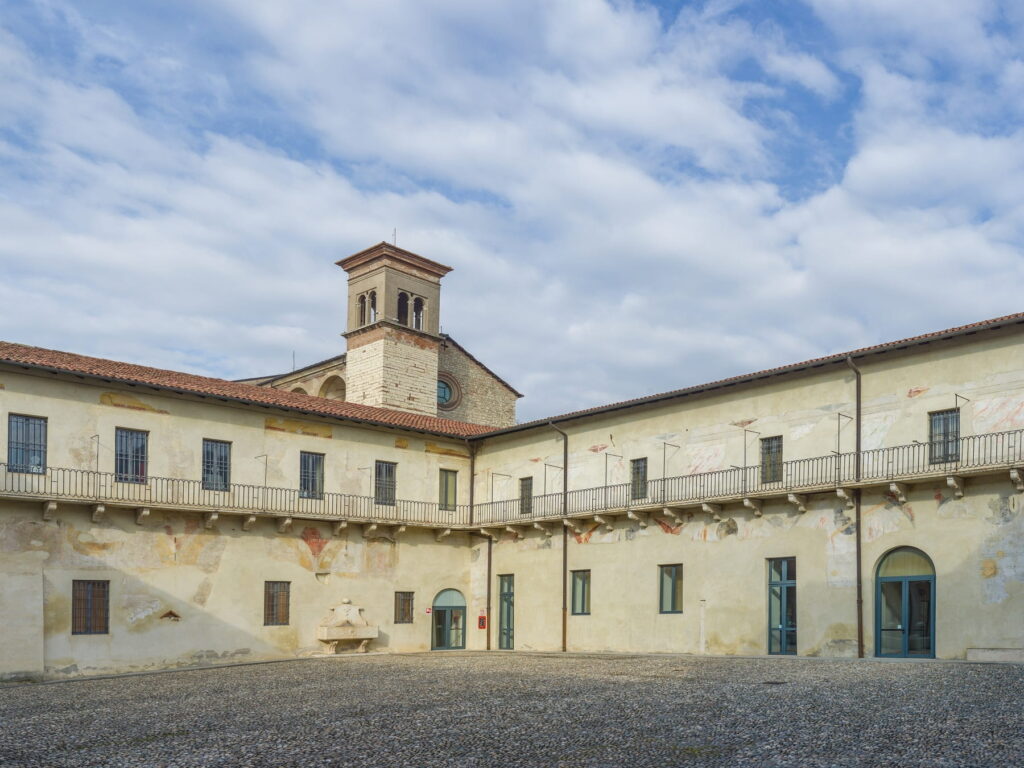
The Santa Giulia Museum is a massive architectural complex in Brescia that serves as a visual timeline of Northern Italy’s history. Located within a former Benedictine monastery, the museum allows visitors to walk through Roman excavations, Lombardic churches, and Renaissance cloisters in a single visit. It is a rare example of a site where the buildings themselves are as significant as the artifacts they house.
Why visit
The primary reason to visit Santa Giulia is its incredible continuity. Unlike many museums that display objects in modern galleries, this site integrates the art into the original historical settings. You can stand in the middle of a Roman residential district and then walk directly into a medieval choir. The museum is a centerpiece of the UNESCO World Heritage site “Longobards in Italy: Places of Power,” making it essential for anyone interested in the transition from the Roman Empire to the Middle Ages.
The complex covers 14,000 square meters, offering a sense of scale that is hard to find elsewhere in Lombardy. It is not just a repository of statues and paintings; it is an active archaeological site. The layers of construction reflect how the city evolved, repurposed its ruins, and expanded over two millennia. For those who find traditional museums a bit static, the architectural variety here provides constant visual interest.
Visiting Santa Giulia also provides a quieter, more contemplative experience than the high-traffic attractions in nearby Milan or Verona. It offers a deep dive into the identity of Brescia, showing how the city transformed from the Roman Brixia into a major medieval power. Whether you are interested in ancient mosaics or the austere beauty of Romanesque architecture, the museum provides a comprehensive look at the region’s cultural DNA.
What to see and highlights
- The Roman Domus: Excavated beneath the monastery grounds, the Domus dell’Ortaglia consists of two well-preserved Roman houses. You can see intricate floor mosaics and wall frescoes that remain in their original positions, offering a glimpse into domestic life in the 1st and 2nd centuries.
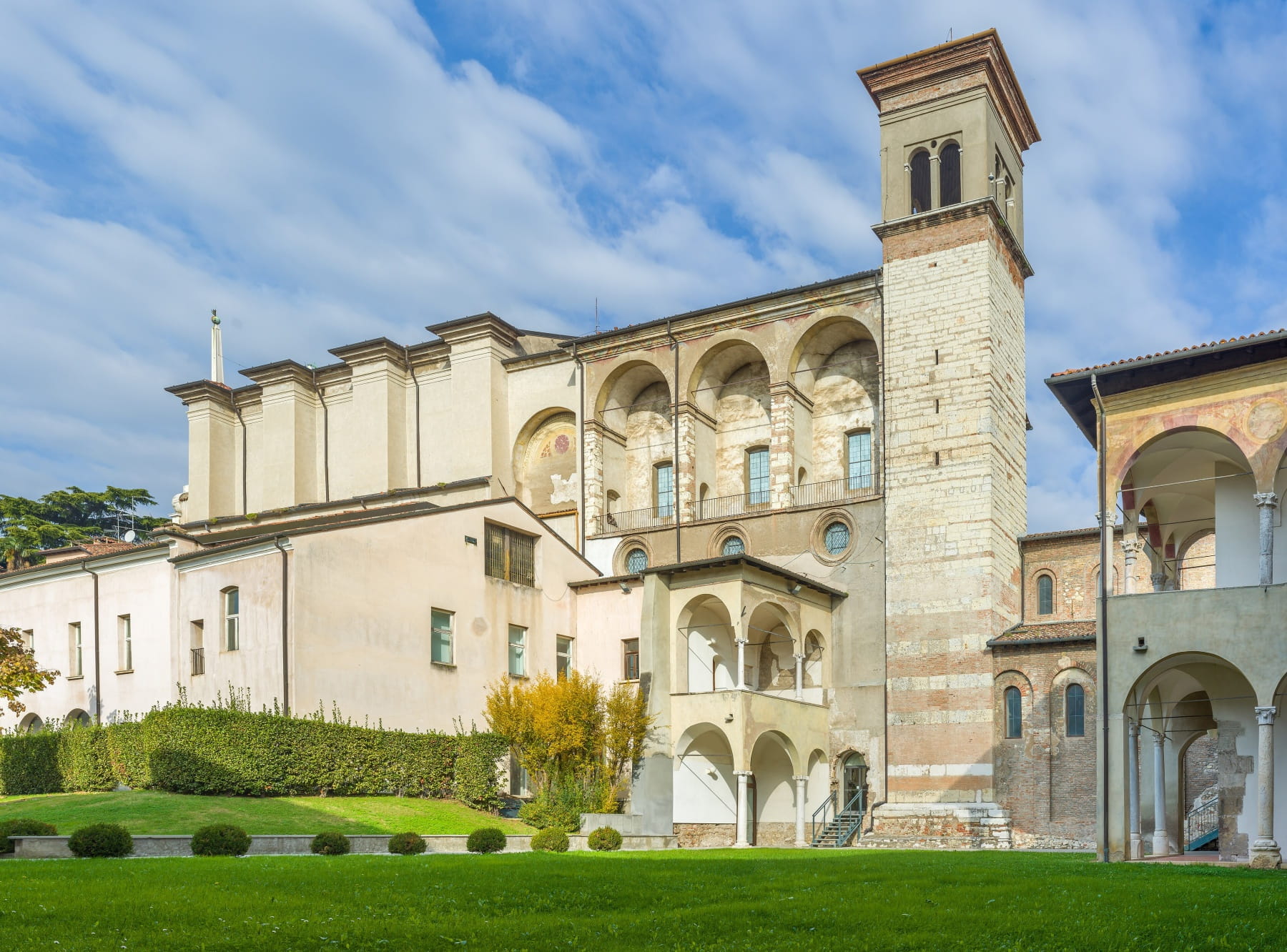
- The Church of San Salvatore: Founded in 753 AD by the last Lombard king, Desiderius, this church is one of the most important examples of Early Medieval architecture in Europe. Its columns were repurposed from even older Roman buildings, showcasing the “spolia” technique common in that era.
- The Santa Maria in Solario: This 12th-century Romanesque chapel features a stunning starry blue ceiling and houses the Desiderius Cross. The cross is a masterpiece of early medieval goldsmithing, adorned with over 200 precious gems and cameos.
- The Winged Victory (Vittoria Alata): One of the most famous bronze statues from antiquity, this Roman masterpiece was found near the Tempio Capitolino and is often displayed within the museum or the nearby archaeological park. It represents the high artistic achievement of the Roman era in Brescia.
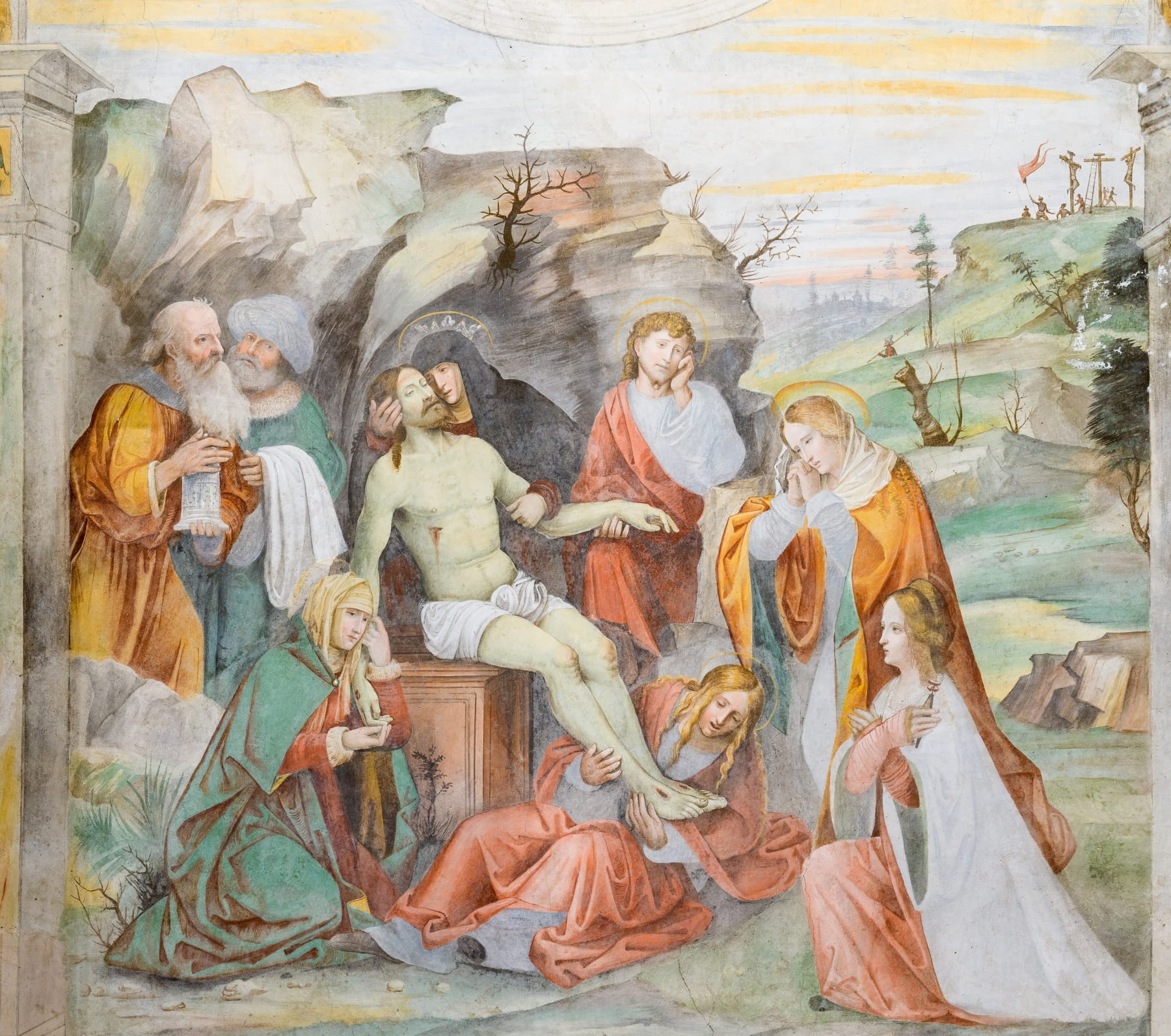
- The Choir of the Nuns: Located between the churches of San Salvatore and Santa Giulia, this space is covered in vibrant 16th-century frescoes. It offers a perspective on the monastery’s later life during the Renaissance.
Practical information
The Santa Giulia Museum is located on Via dei Musei, the historic “decumanus” of the Roman city. It is easily reachable on foot from the city center, being just a short walk from the Piazza Paolo VI.
- Access: The museum is fully accessible, though the sheer size of the complex involves a lot of walking. It is best to start your journey at the Roman ruins and follow the chronological path through the buildings.
- Time Needed: To see the main highlights comfortably, you should set aside at least three hours. If you are an archaeology enthusiast, a full morning or afternoon is recommended to cover the Roman villas and the various church sections.
- Parking: The city center is largely restricted to traffic (ZTL), so it is best to park in the Arnaldo or Piazza Vittoria parking garages and walk to the museum.
- You can learn more about the Santa Giulia Museum on the official website.
Tips for visitors
- Combine your ticket: The museum is part of a larger archaeological park. It is worth purchasing a combined ticket that includes the Tempio Capitolino, which is located just down the street and provides the outdoor context for the Roman artifacts found in the museum.
- Watch for temporary exhibits: Santa Giulia often hosts high-profile contemporary art or photography exhibitions in its upper galleries. These modern installations often create a striking contrast with the ancient stone walls.
- Wear comfortable shoes: The floors range from smooth modern paths to uneven medieval stone and Roman gravel. Good footwear is a necessity given the amount of ground you will cover.
- Audio guides are helpful: Because the site is so vast and the history spans 2,000 years, an audio guide or the museum’s mobile app is highly recommended to understand the transition between the different historical layers.
Nearby places
- Tempio Capitolino: A monumental Roman temple complex located just a few steps from the museum, featuring the remains of the original forum.
- Castle Brescia: A large medieval fortress sitting on Cidneo Hill that offers panoramic views of the city and houses an arms museum.
- Duomo Vecchio & Duomo Nuovo: A pair of cathedrals in the city center, one a circular Romanesque structure and the other a grand late-Renaissance building.
- Piazza Paolo VI: The heart of medieval Brescia, surrounded by the city’s two cathedrals and the historic town hall.
- The Levitating Rhinoceros: A quirky contemporary sculpture located in the hanging gardens near the castle, providing a modern artistic touch to the historic skyline.